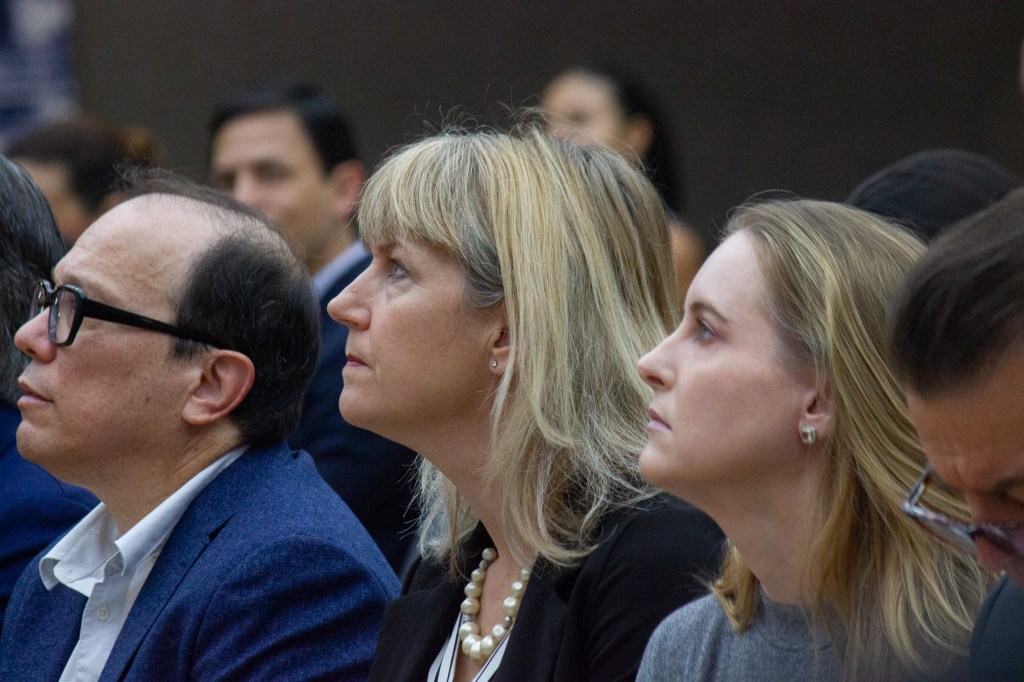
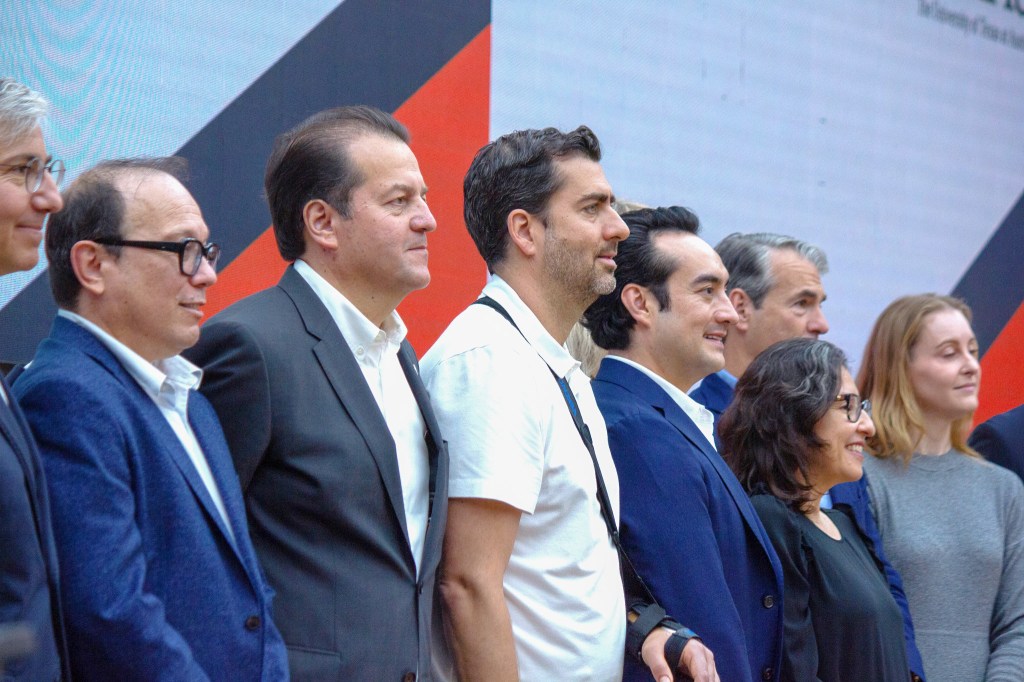
On April 13, the Main Hall of the Tecnológico de Monterrey’s Rectoría at Monterrey Campus hosted an event that celebrated far more than an anniversary—it marked the consolidation of a shared vision between Tec de Monterrey and The University of Texas at Austin to transform health research into real-world solutions for people.
One year after this collaboration began, the OriGen Health Research Center (OHRC) has established itself as a unique space where data science, medicine, and international collaboration converge to address some of the most complex challenges in health.
From Data to Real Life: The Power of the OriGen Project
One of the most powerful messages of the gathering was clear: data alone does not change the world, but when connected with talent, infrastructure, and collaboration, it can transform the health of millions.
Through its connection with the OriGen Project, the OHRC has achieved something remarkable: translating genomic and population-level data from Mexico’s diversity into research and concrete health applications for cross-border populations.
From the development of cancer biomarkers to predictive models for dementia and metabolic diseases, as well as geostatistical analyses that can inform public policy, this collaboration has opened a new chapter for translational research at the School of Medicine and Health Sciences.
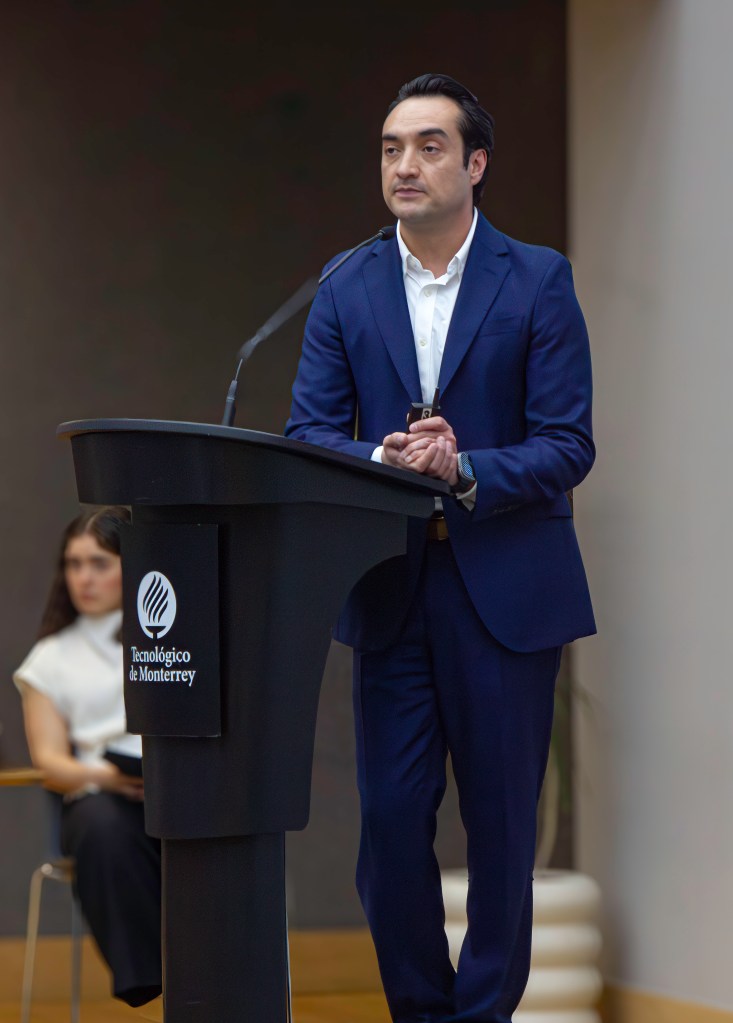
As Dr. Alexandro Martagón noted, access to the OriGen database has enabled the connection between basic research and direct population impact—a key step toward more precise, preventive, and equitable medicine.
Science Without Borders: A Collaboration That Scales
Dr. Guillermo Torre Amione summarized it clearly: science has no borders. What began as an idea—an open data repository—has evolved into a cross-border collaborative ecosystem with a global vision.
From The University of Texas at Austin, Dr. David Vanden Bout highlighted that this effort will not only impact Mexico and the United States but has the potential to scale globally, particularly through the integration of artificial intelligence and new computational capabilities into health research.
The center’s growth has also been tangible: academic exchanges, faculty integration, new research calls, and an increasingly active and committed community.
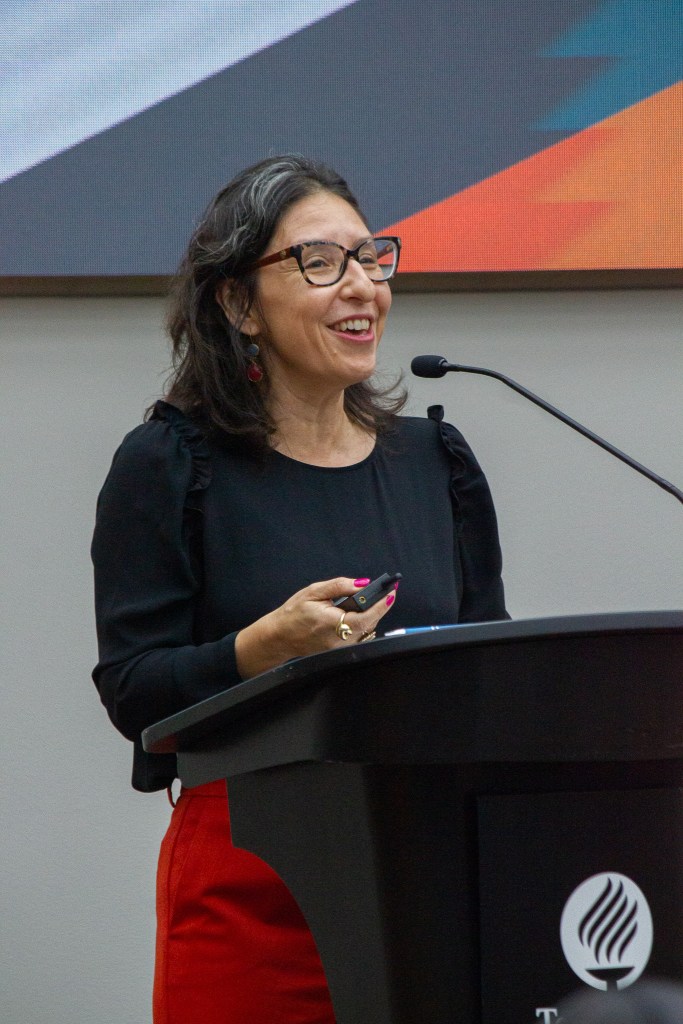
Dr. Gabriela Livas and Dr. Alexandro Martagón, co-directors of the OHRC, presented the center’s achievements during its first year, emphasizing its rapid expansion and the incorporation of diverse projects. These range from imaging analysis for cancer biomarker development to predictive medicine for dementia, applications in metabolic diseases, clinical and translational nutrition, as well as geostatistical diagnostics that can shape public policy.
Technology, Data, and Collaboration: A New Scientific Infrastructure
One of the most notable advancements was the presentation of technological platforms designed to navigate the vast amount of data generated by OriGen. Dr. Vagheesh Narasimhan demonstrated how tools based on language models enable the exploration of phenotypes and relationships across populations, opening new possibilities for scientific discovery.
This type of infrastructure not only accelerates research but also redefines how knowledge in health is generated—making it more open, connected, and collaborative.
The Heart of the Future: Purpose-Driven Collaboration
A key moment of the event was the panel on collaboration opportunities, featuring Dr. Luis Alonso Herrera alongside academic leaders from UT Austin.
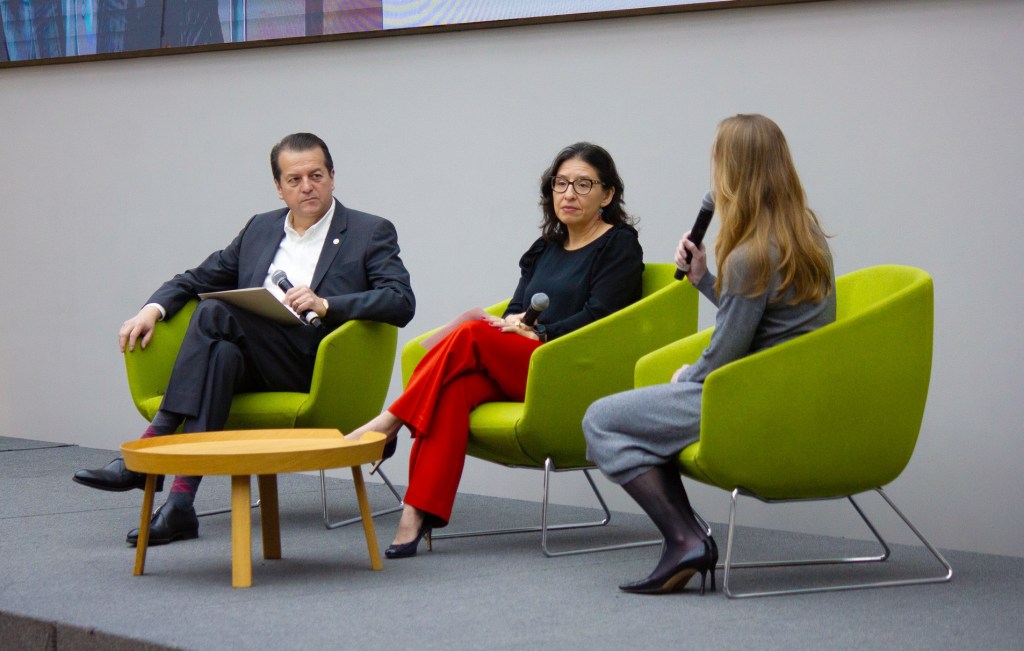
A central takeaway was clear: in just one year, the alliance has moved from intention to concrete scientific projects, producing results, publications, and—perhaps most importantly—aligned infrastructure and talent.
Dr. Herrera emphasized the major challenge ahead: transforming data into actionable outcomes for society, ensuring that research has real impact in both Mexico and the United States. During the panel, coordinated by Dr. Gabriela Livas, he also stressed the importance of maintaining focus on high-impact projects and strong leadership in the center’s strategic objectives.
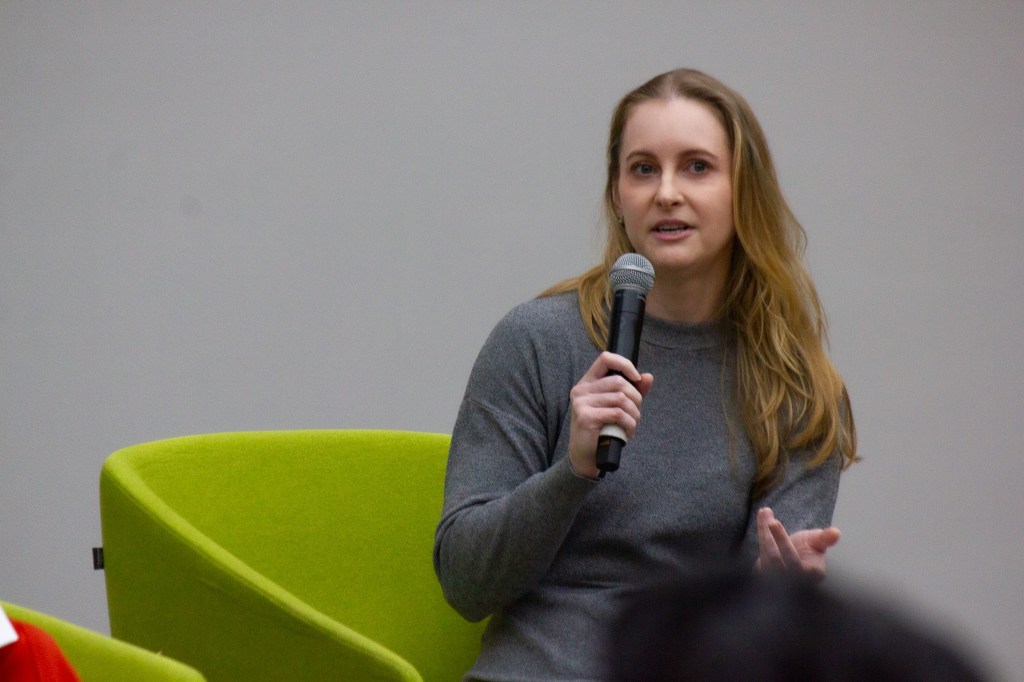
Dr. Emily Cole underscored the importance of sustaining momentum and scaling the center’s projects, while Dr. Andreas Matouschek highlighted the value of investing in people and the human-centered leadership that has shaped the collaboration—especially the importance of fostering in-person engagement among researchers, students, and specialists on both sides of the border.
A Growing Community
The event also featured researchers such as Dr. Mateo Farina and Dr. Pablo Kuri, part of a growing network redefining health research in the region.
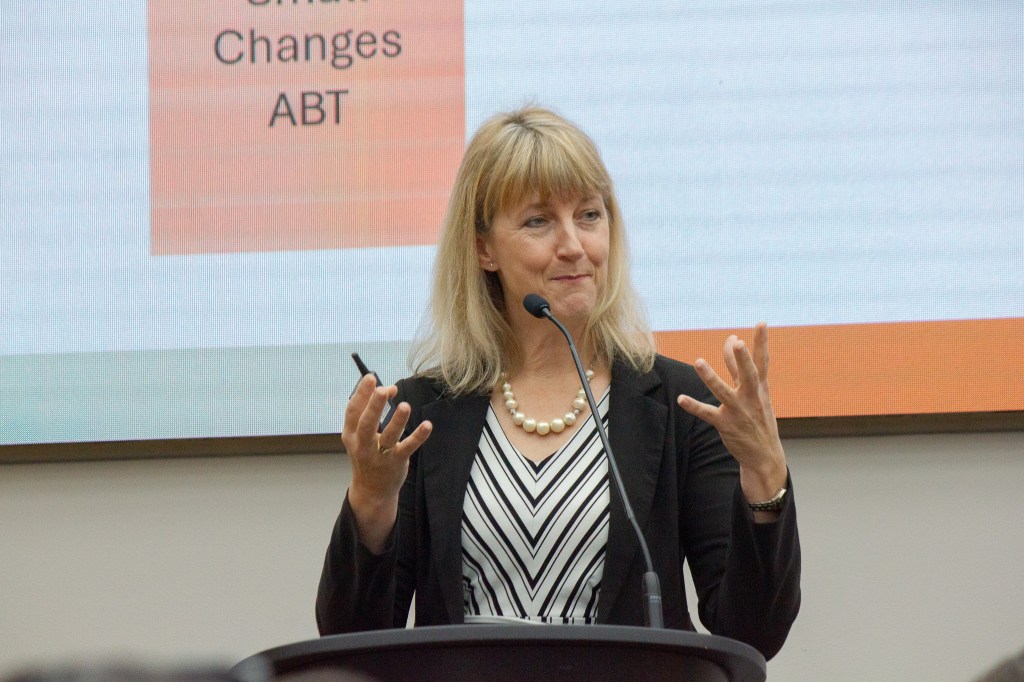
Among the highlighted initiatives was “Small Changes,” led by Dr. Leah D. Whigham, a project focused on improving nutrition among adolescents in El Paso, Texas, and Ciudad Juárez. Its 10-year findings will be integrated into OHRC data to develop precision nutrition models within an ecosystem that goes beyond clinical care to a more interdisciplinary, data-driven approach powered by the OriGen Project.
More Than Neighbors: Partners in Health
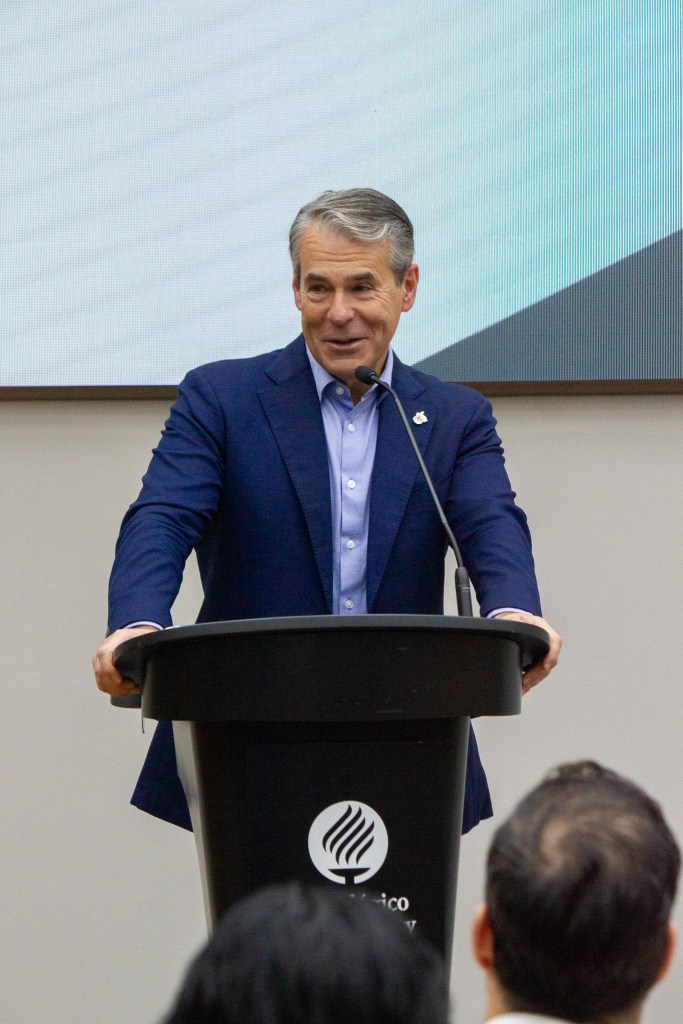
The event concluded with remarks by Tecnológico de Monterrey’s President, Dr. Juan Pablo Murra, who offered a memorable analogy: Mexico and the United States are not just neighbors, but roommates—a concept that perfectly captures the spirit of the OHRC: two deeply connected countries facing shared challenges and building solutions together.
What Comes Next
If this first anniversary made anything clear, it is that the OHRC is more than a research center—it is a platform for the future.
A future where data becomes decisions, collaboration becomes impact, and science becomes well-being.
For the School of Medicine and Health Sciences, it represents a unique opportunity to amplify the reach of its research and position itself as a key player in the global transformation of health.
 EMCS News
Deja un comentario